What You Don’t Know About Interior Design in Architecture (And What It Might Cost You)
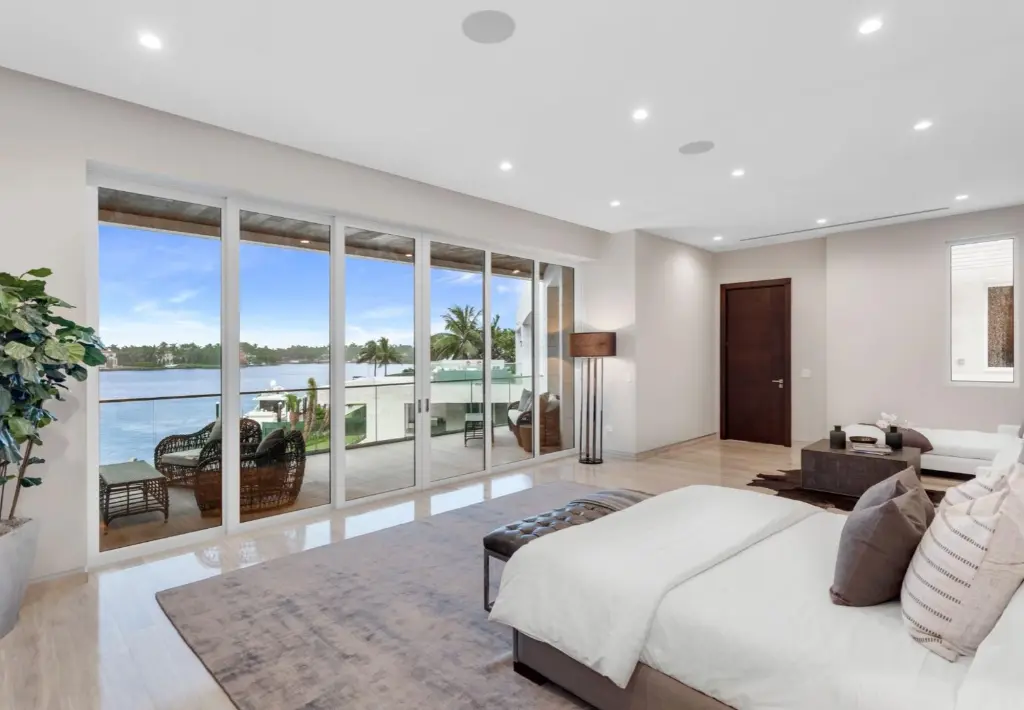
There’s many types of deisgners out there and this can often be confusing for a homeowner or investor on any type of real estate project. Check out this article where we unpack who-does-what, and even give you a solution tool to print out and use!
Most people hire the wrong designer first (and it costs them twice).
You’ve got the vision for a beautiful space and you go looking for “a designer” to help make it happen. With respect to interior design in architecture, just about everyone makes the same mistake by hiring the “wrong designer” first, simply because they didn’t understand which designer does what, and how that impacts your space (and your wallet).
Recently, a new client approached us looking to redo their space. And after just a few minutes on our first phone call, what they were really looking for became clear: they wanted new couches and artwork and fixtures and other tactile features, so we referred them to an interior designer.
But here’s where it gets interesting.

Interior design in architecture should be a sequence. In this case, after they spoke with the interior designer, it became clear the homeowner was actually looking for an architect. The client thought they were in the market for the decorative elements that made up their space. But after reviewing their options, they realized the space itself was limiting. And this brought them back to us.
Now, fortunately for this client, they weren’t charged for initial consultations or preliminary design ideas. But that’s not always the case. Sometimes, the wrong designer will charge you for their time, regardless of where they should fall in the order of things.
In this article, we’ll walk you through the differences in types of designers that are out there, when to call the right designer first, and a quick checklist to help you figure out which designer you need.
What Interior Design in Architecture Actually Means
Interior design in architecture starts before the colors, textures, and furnishings. It begins with the floor plan, the way rooms connect, the ceiling heights, where the light comes from, and how you move through the home.
That’s the part most people don’t see, because it isn’t the part you can point at. When clients picture “design,” they picture the visible layer: the sofa, the tile, the light fixtures, the paint. That layer is important, and of course it matters. But it sits on top of a set of decisions that were made much earlier, and those earlier decisions are the ones that determine whether the finished room actually works.
Think of it as two different jobs. One job shapes the space: how big the kitchen is, whether it opens to the living room, how the back of the house meets the yard, how high the ceiling climbs. The other job dresses the space once it’s built. At 3551 Crystal, the reason the indoor and outdoor spaces feel like one continuous room isn’t the furniture (as nice as the staging is).
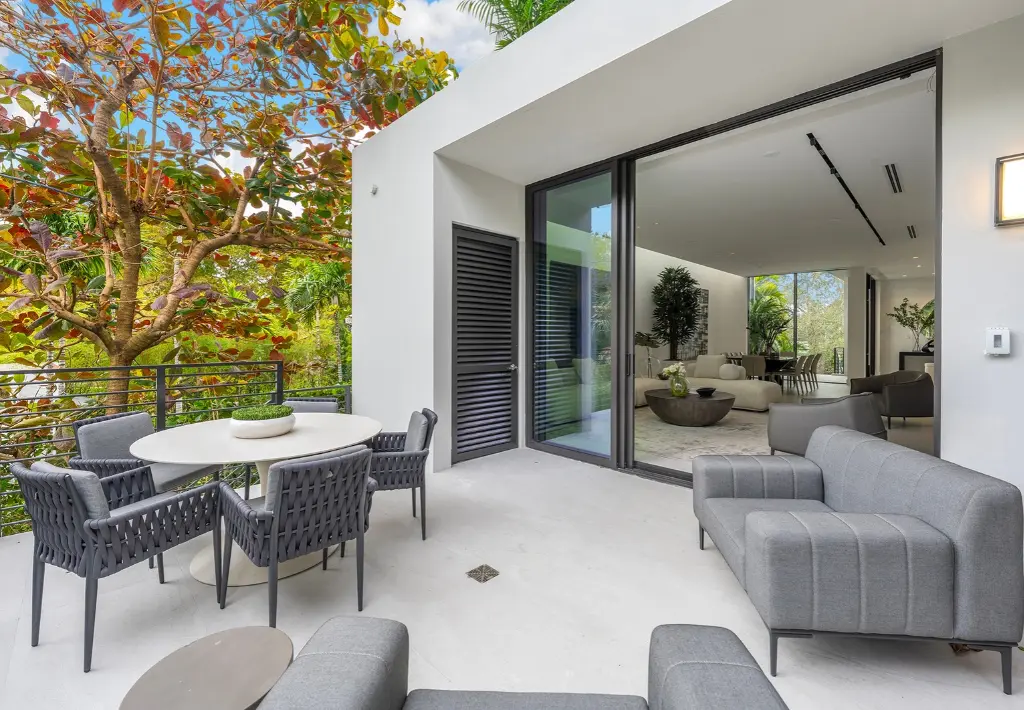
It’s a decision about how the house opens to the site, and what that means for the occupant who lives there.
There’s also a third layer we won’t get into here, because you rarely see it: the engineering, the internal systems that literally hold it all together.
Interior Designer vs. Interior Architect vs. Architect: Who Designs What?
An architect is licensed to design the structure itself. We shape the space, move or remove walls, change the envelope, and we’re the ones who can take a structural change through permitting. When what’s limiting your home is the home itself, this is who you need.
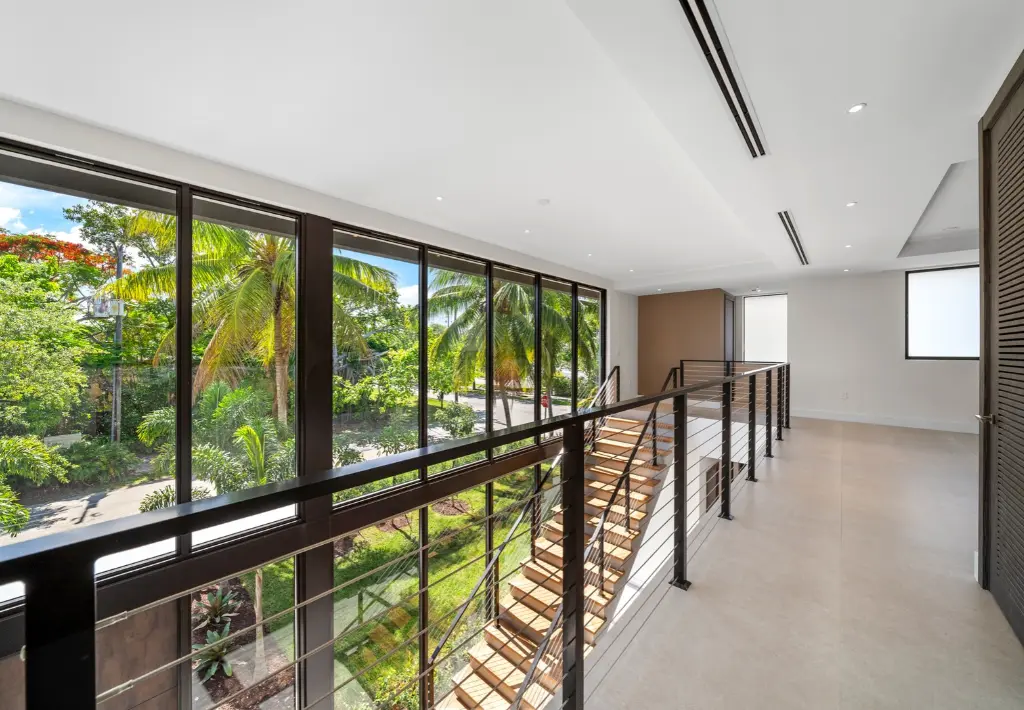
An interior designer plans, designs, and furnishes the interior: finishes, materials, lighting selections, furniture, the full tactile experience of a room that already works. A good one is worth every penny, and we refer clients to them constantly. What an interior designer does not do is redesign the structure your interior lives inside.
Then there’s “interior architect,” which is the title that trips everyone, because in Florida it isn’t actually a thing. The state regulates both professions under one body, the Board of Architecture and Interior Design, and the two licenses it issues are “architect” and “registered interior designer.” The word “architect” is reserved for people licensed to practice architecture. So when you see “interior architect” on a website, read it as a style of work, not a license, and know that structural and permit-level decisions still have to run through an actual architect.
One more Florida quirk worth knowing: a registered interior designer can sign and seal interior design documents for permitting, but the practice of interior design is specifically written so it can’t cross into architecture or engineering. The line between the two isn’t a matter of opinion here. It’s in the statute. So be careful not to mistake interior design in architecture as the same thing. If you are unsure, please ask!
In other words, if an interior designer is hand-waving and getting you to remove load-bearing walls and existing systems, you should stop and ask if the work of an architect is required (it is).
What Interior Design in Architecture Means for a Developer
For a developer, the benefit of getting interior design in architecture right isn’t staging. Staging is the cheap, temporary version, and it’s the last thing that happens.
The real value is permanence. The features that make a home photograph well, show well, and appraise high are interior-architecture decisions: ceiling height, sightlines, the flow from entry to yard, where the natural light lands. Those get built in during design. You cannot stage your way to a floor plan. At 445 Solano Prado in Coral Gables, the home set the sale record in its community, and it did it on decisions about how the space lives, not on the throw pillows in the listing photos.
The second benefit is margin, and this is the one that hits the balance sheet. Any interior decision that touches framing, plumbing, or mechanical runs has to be made during the architectural design phase. Hire the decorating layer first, fall in love with a plan that fights the structure, and you’re now paying for change orders. Change orders are margin coming straight off the top. Sequencing the work correctly, architect first, isn’t a design preference. It’s cost control.
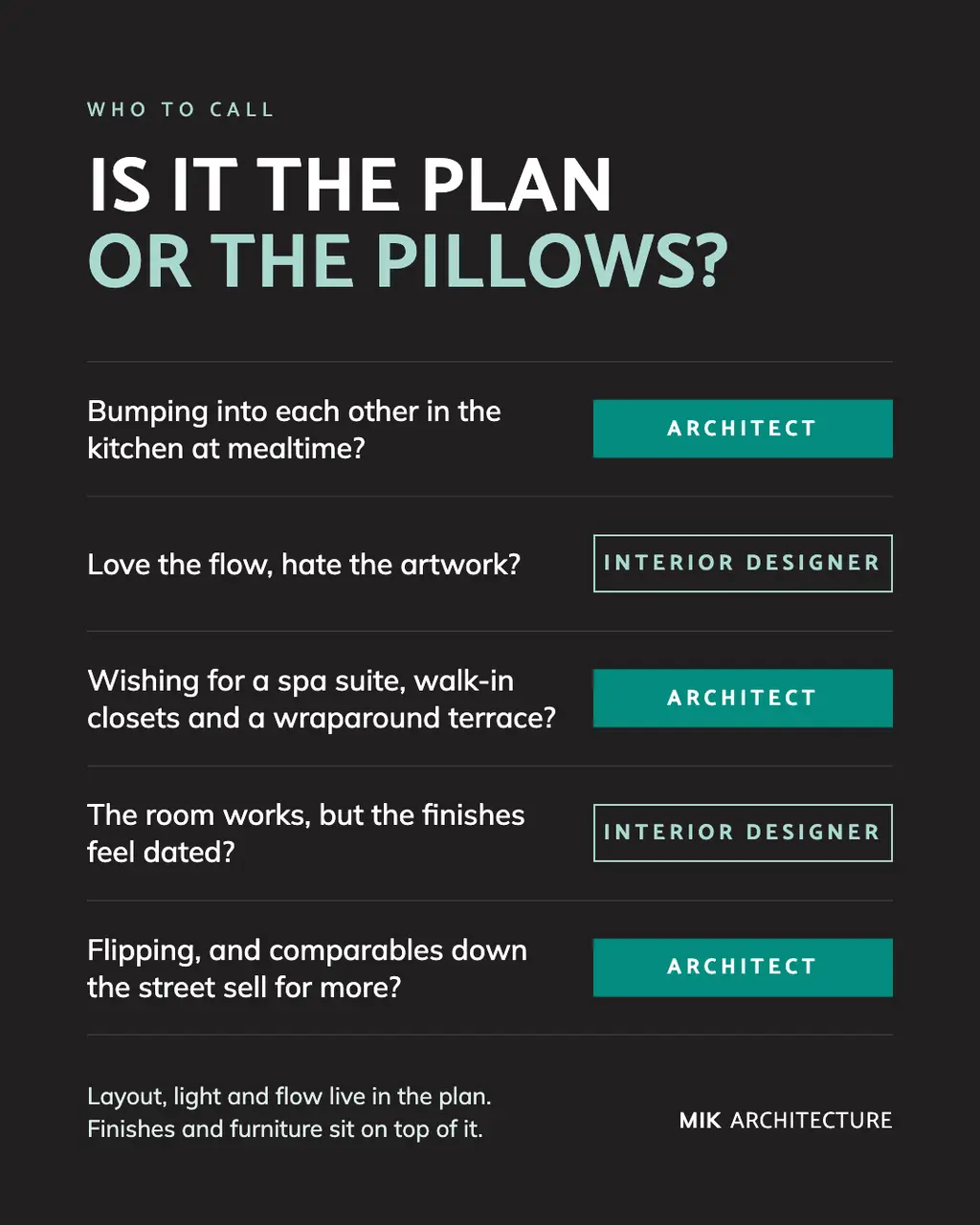
Use These Questions to Decide Which Designer You Need
You don’t need a consultation to figure out which way to go. You need about thirty seconds. Run through these:
- Are you running into your family members in the kitchen at mealtime? Call an architect.
- Do you love the flow from your entryway to your backyard but just hate the artwork? Call an interior designer.
- Do you wish your master bedroom had an en suite spa, walk-in closets, and a terrace that wrapped around to the backyard? Call an architect.
- Is the room fine, but the finishes feel dated? Call an interior designer.
- Are you flipping a property and can’t work out why comparable homes down the street sell for more? Call an architect (it’s the plan, not the pillows).
If your answers kept landing on “architect,” the thing you’re trying to fix is the space itself, and that’s where we start. Reach out to MIK Architecture before you commit to the finish layer, and we’ll make sure you’re building on the right bones, not decorating around the wrong ones. If it turns out you genuinely just need the decorative layer, we’ll tell you that too, and point you to someone excellent.