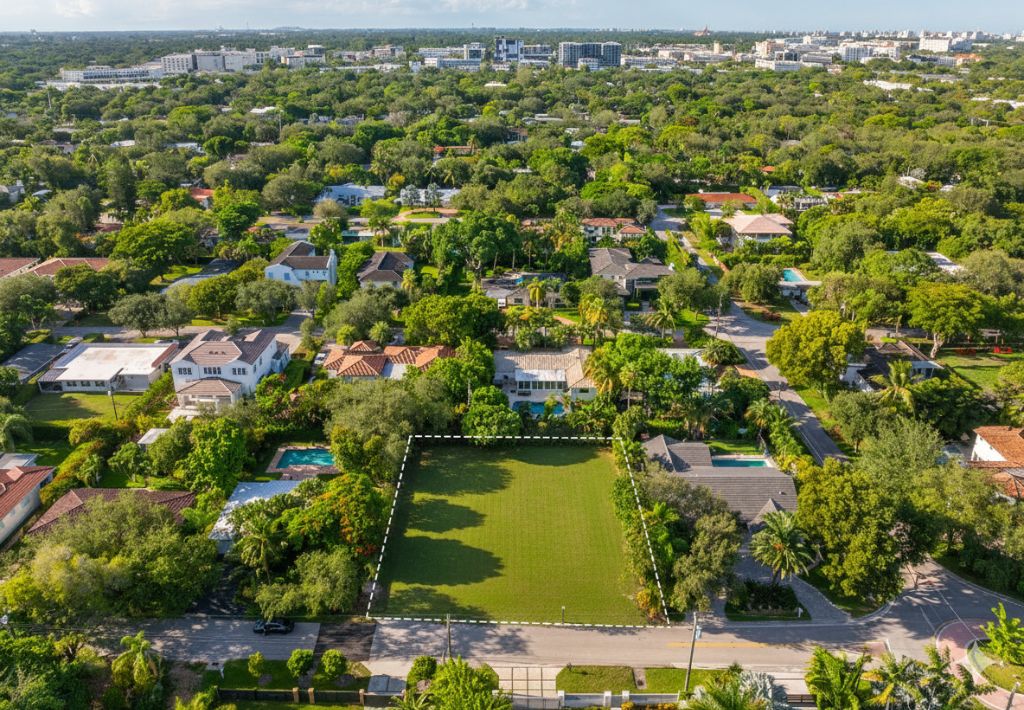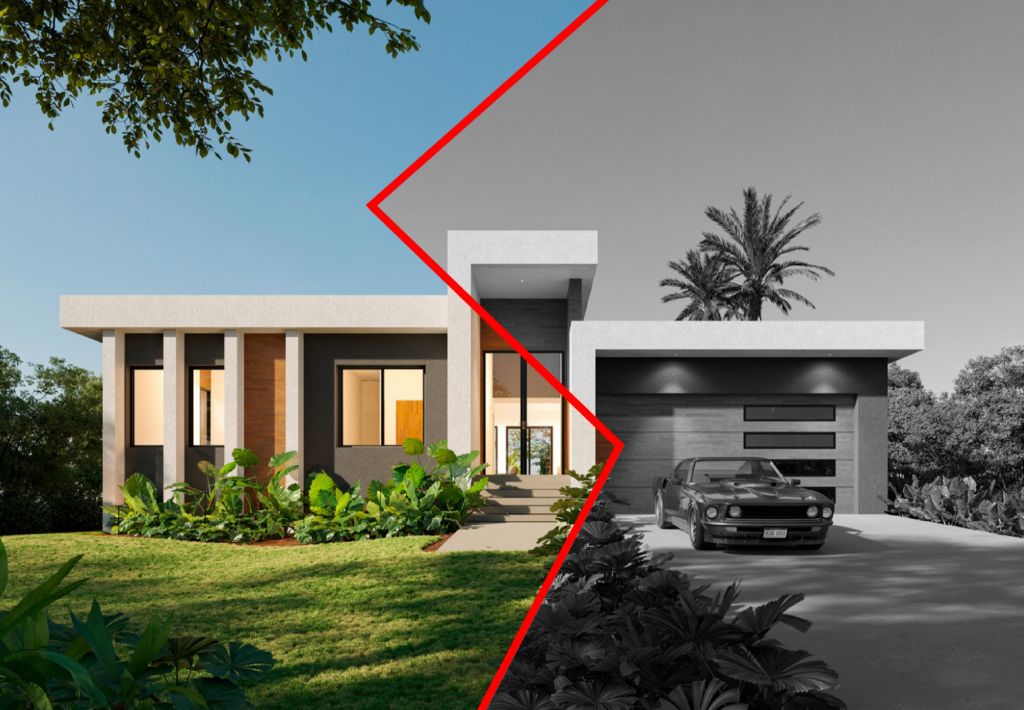
For most residential real estate investors, any project comes down to a site, the capital, the rehab, and the resale.
The best investors factor in another variable, and perhaps the most important one when it comes to a high-value exit.
And that's life in Miami itself and what that means for the future occupant of your project.
In this article, we'll review what high-end buyers expect when living in Miami and what that means for you and your next investment.
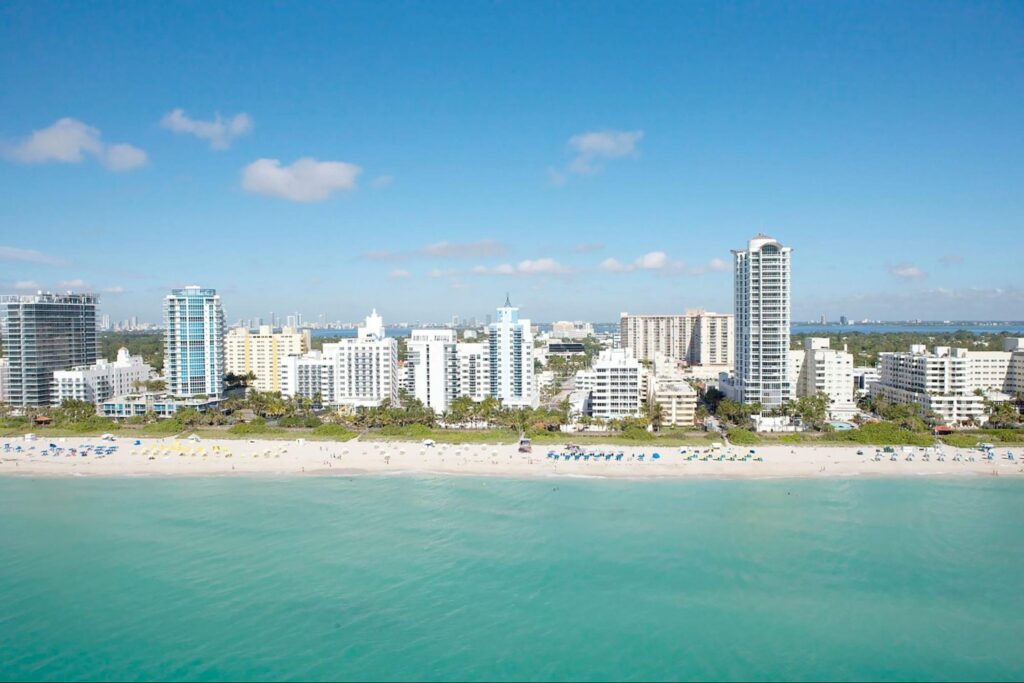
The Sunshine State has always been the year-round weather capital. But in the post-COVID world, it’s taken center stage as one of the top wealth capitals, too; and for the real estate investor, this means doing more than slapping a coat of paint on an investment property.
The buyers writing the biggest checks aren't snowbirds looking for a three-month rental. They are executives, founders, and family offices relocating out of New York, California, and Illinois, and they are buying homes to actually live in. And work in. And entertain in. And, in many cases, share with aging family as the exorbitant costs of eldercare skyrocket.
Now, to create a space that supports this type of life in Miami, real estate investors need to look beyond the pro forma and consider these lifestyle attributes:
So before you hunt through listings for total remodels or ground-up new construction, the secret to investment success comes from anticipating buyer needs and aligning with their psychology.
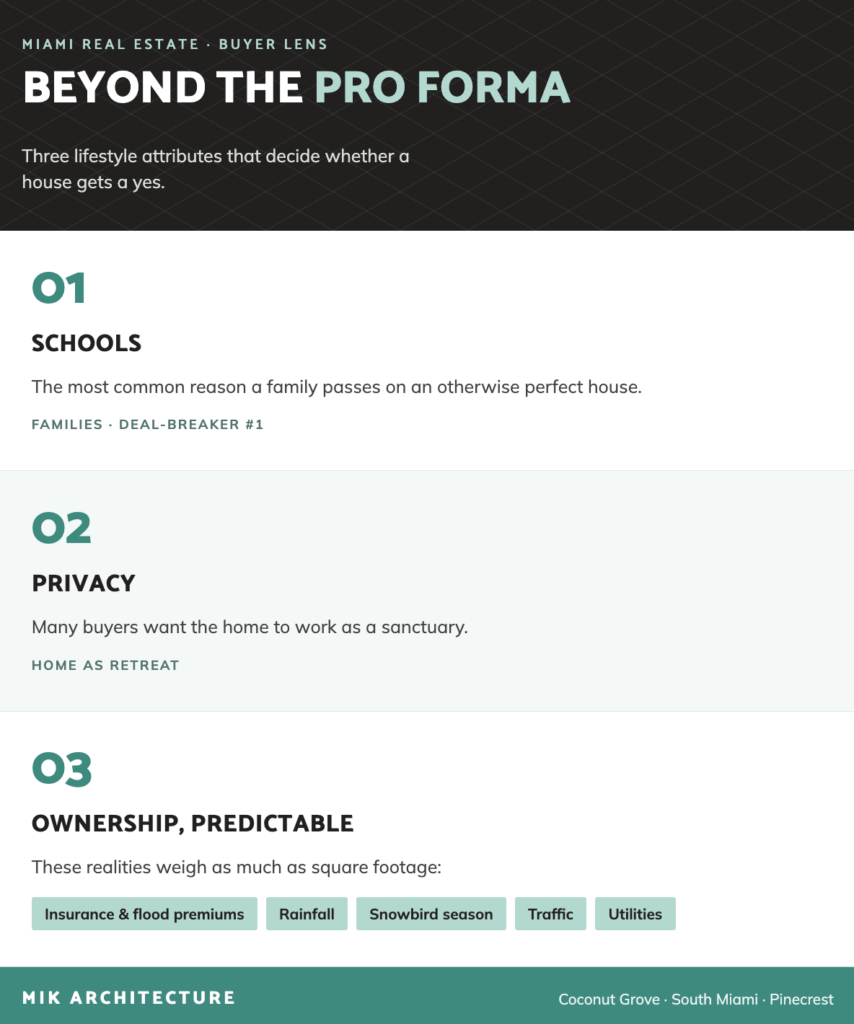
People want connection to the outdoors and their loved ones, but they also want a home that anticipates needs with flexible spaces, smart design, premium materials, and security from harsh tropical weather (without looking like they live in a bunker).
People aren’t just looking for shelter and a few convenience items. A home in Miami sells on the life it makes possible.
Much like a sailboat or a sports car, a home is a luxury lifestyle item, and this needs to be taken into consideration.
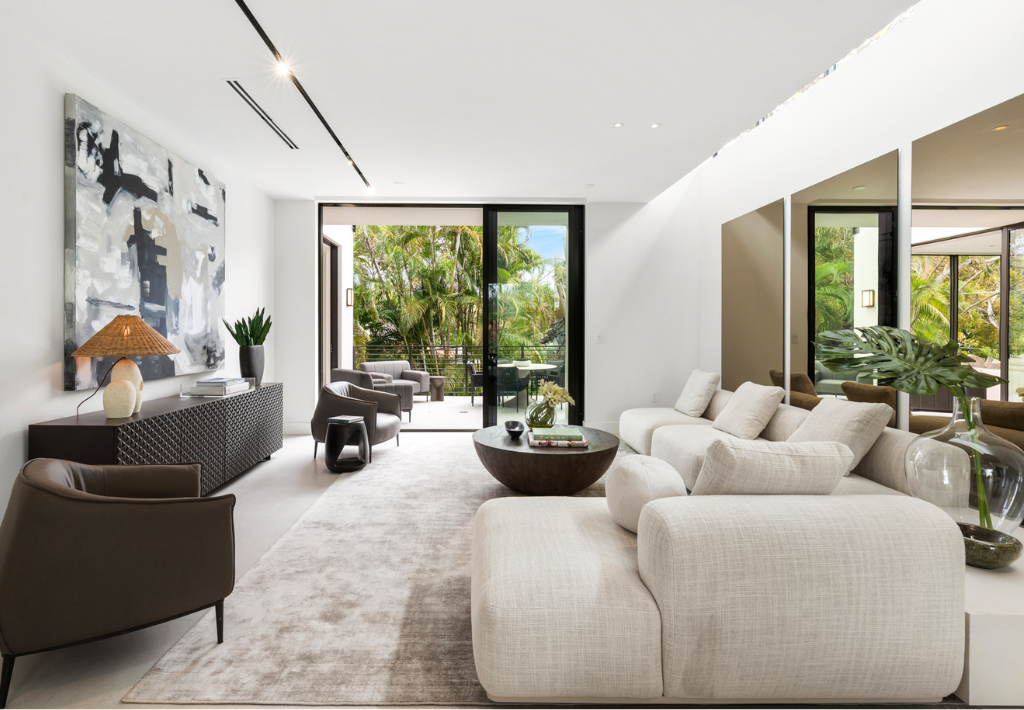
Buyers at this level aren't thinking about saving money on appliances during a Lowe's Labor Day sale. They are imagining life in Miami on a Tuesday: where the light lands in the morning, how the kitchen opens to the pool, whether the primary suite feels separate from the kids, how the house breathes when it is ninety degrees outside, if the floor materials remind them of their last summer holiday along the Mediterranean from Greece to Spain.
There is a feel to a luxurious home in how it informs the quality of movement through space.
This is what we refer to when we talk about design narrative, and it is the part most developers skip at the expense of line-item concentration.
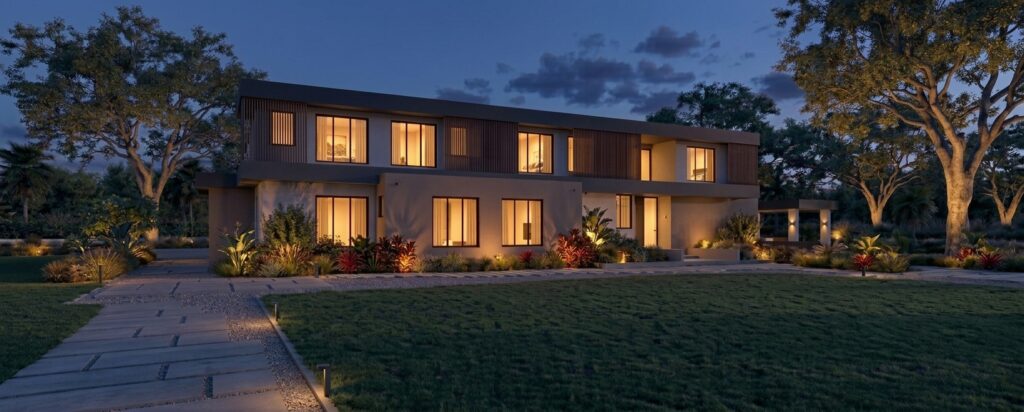
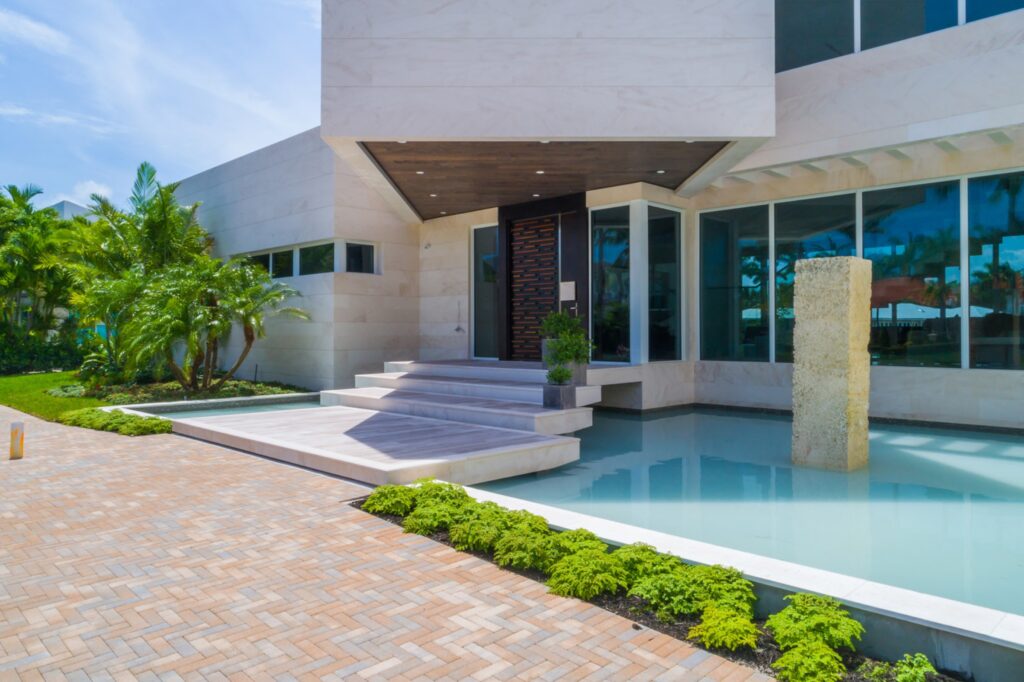
One example comes to mind: 3551 Crystal. A luxurious three-story home offering seamless indoor/outdoor living while maintaining a safe and secure posture in a flood zone in Coconut Grove.
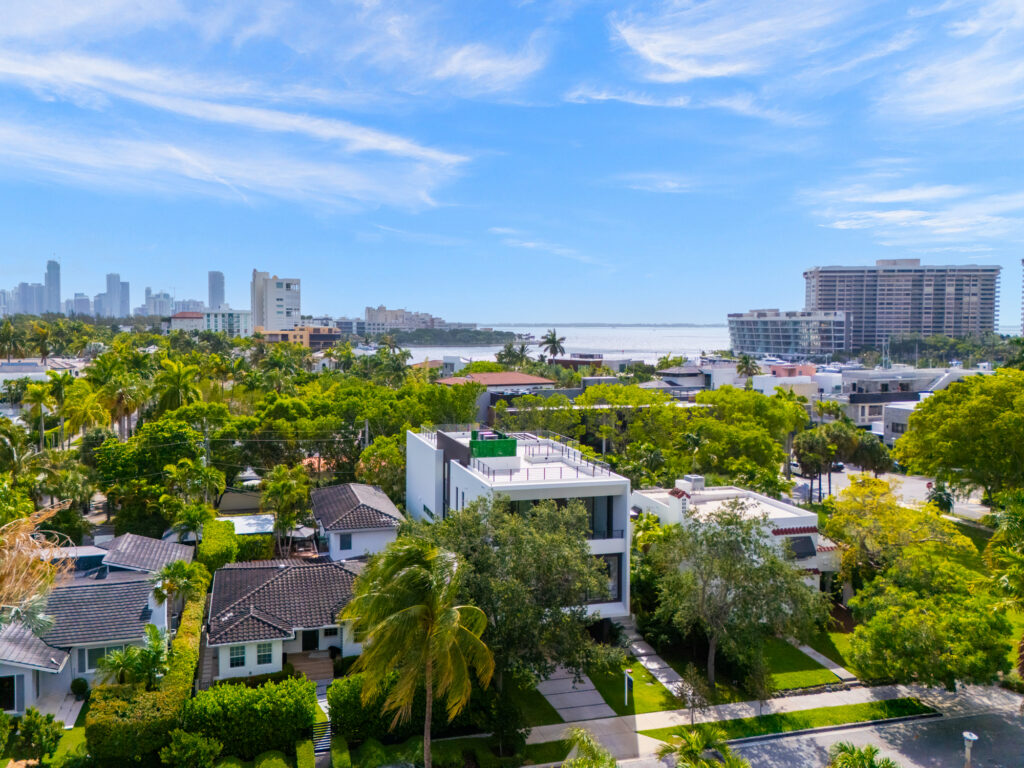
Nothing is compromised, and the zoning helped inform the narrative.
The first habitable floor sits well above grade, leaving negative space for a car park that flows through to the backyard summer kitchen!
As occupants ascend 3551 Crystal, surprises, amenities, and indulgences await on every floor.
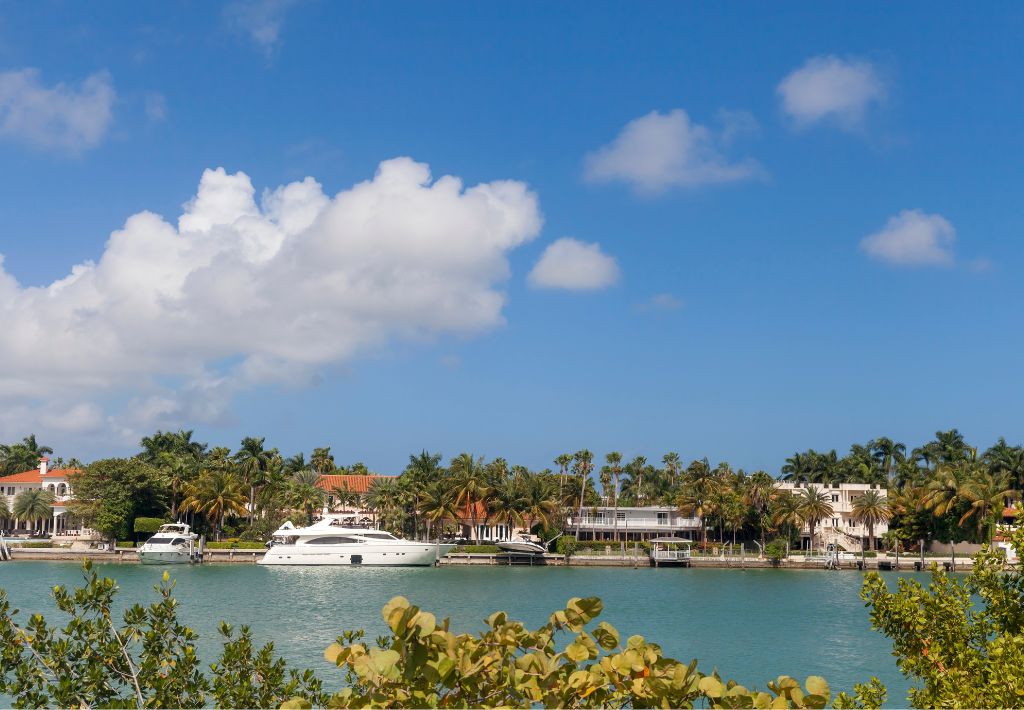
But not purely for their own sake. This home supports life in Miami by connecting occupants to spectacular views of Biscayne Bay and the skyline, while offering immediate safety and security from tropical weather shifts.
They say if you fail to plan, you’re planning to fail. That’s a bit harsh, but it holds true when framing the diligence required to invest well in Miami today.
Feasibility is not a formality you clear on the way to the fun part. A proper study of your site is needed to determine what the city allows. Avoid it, and you can get stuck with some serious problems.
Flood elevation is still on the back burner for most investors when looking to build a property but should be part of every investment conversation.
FEMA base flood elevation drives how high you have to build, which drives cost, and it increasingly drives insurability, which determines if your buyer can even close. A house that sits too low is not just a design problem. It is a resale problem.
And here’s where it gets worse. Don’t assume a code for Miami works 10 miles away! Permit requirements shift by jurisdiction, and they are not interchangeable. City of Miami rules are not Coral Gables rules, and neither are Pinecrest, Miami Beach, or Bay Harbor Islands. Building to the wrong code costs you months.
When you’re looking to build wealth as an investor, the smart play is to make sure what you’re actually looking to build… is… well… buildable.
We love talking about our custom homes because each one delivers a unique mix of features enhanced by the site, its immediate surroundings, and its proximity to city resources and services that make life in Miami so rich.
When it comes to the work we do, sales records, 5-star reviews, and awards are common. So this begs the question: Is there a common denominator when it comes to building the perfect home for Miami?
Our answer continues to evolve, but there’s a few key features that are always included in our homes. Those are:

Careful consideration and thinking about your buyer first. Profit follows.
The projects that clear at the top of the market are the ones designed around a real person's life in Miami, not just a spreadsheet.
Luxury items are purpose-built and have to deliver a premium outcome wherever possible. This means you need to do your due diligence when considering your project's lifecycle.
If you’d like to see how living in Miami affects the choices you can (and should) make with your next real estate investment, send us an email. We’re always happy to work with new investors and seasoned professionals who want to make a lasting impact on the built environments that define the Miami lifestyle.