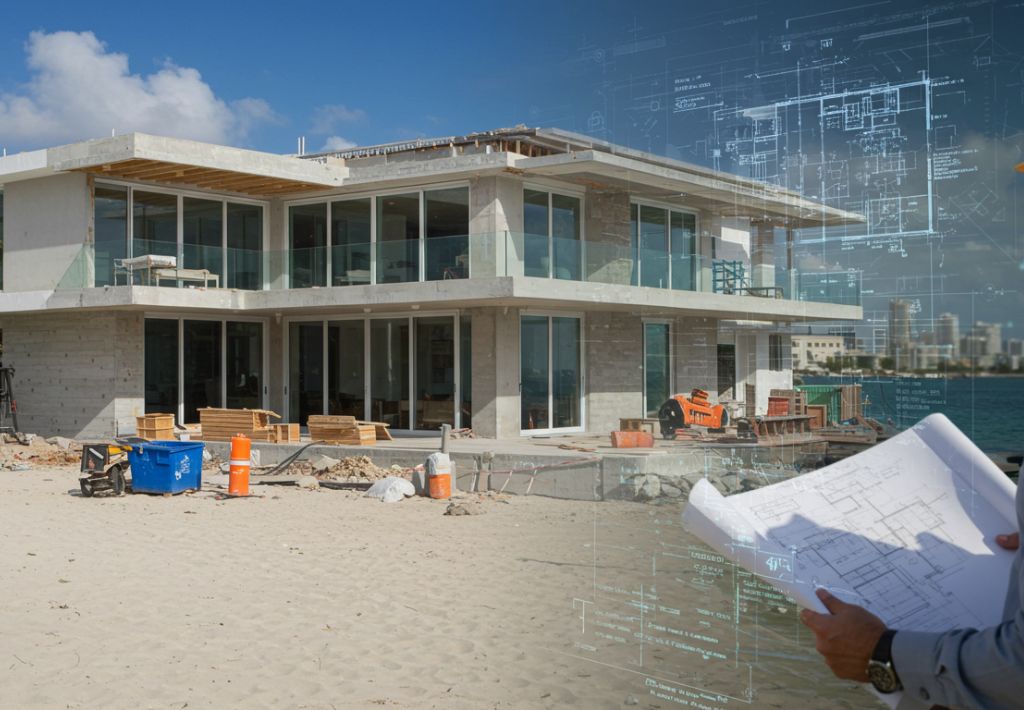
There's a reason why people spend tens of thousands of dollars on exotic resort stays.
Then they wish they could bottle that feeling forever and bring it home. Only to realize that outfitting their current house with nicer soap, shampoos, and towels for the bath doesn’t quite cut it.
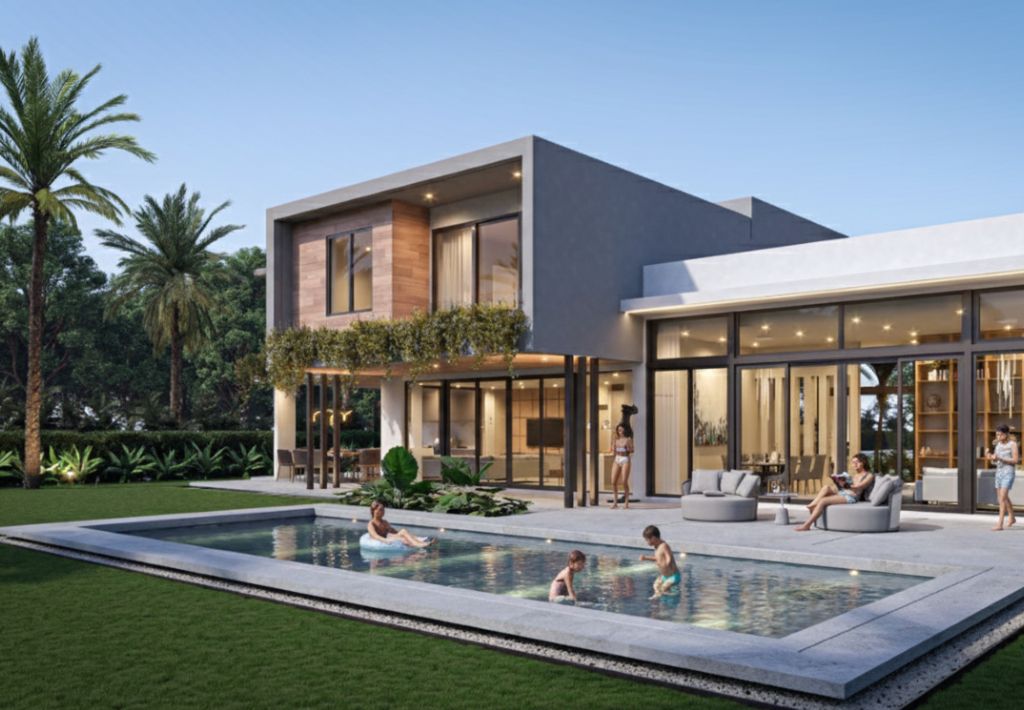
Resort style living goes way beyond amenities, and in my opinion, touches on two critical things that are of value to us here at MIK Architecture:
- First, the soft, experiential value for the end-user demanding premium living
- Second, the hard, ROI-driven value for the investors and developers who bring these spaces to market
With every project, our signature standard is to ensure that every space offers an experience that feels like a vacation. Not just because of amenities, but through a comprehensive design narrative that delivers security, luxury, originality, serenity, beauty, and of course, marketability.
In this article, I will focus on three of our recent projects and call out certain aspects that make them perfect examples of resort style living in Miami, the MIK way.
But first, so we’re on the same page, let’s define what resort style living means to most people.
Resort style living typically means a residence will have elements like lagoon pools, concierge services, wellness centers, proximity to hot spots, and more.
But to achieve real resort style living at home, you’ve got to look beyond the amenity and see how it is an extension, or facilitator, of a premium lifestyle. Here’s a few of our favorite design opportunities:
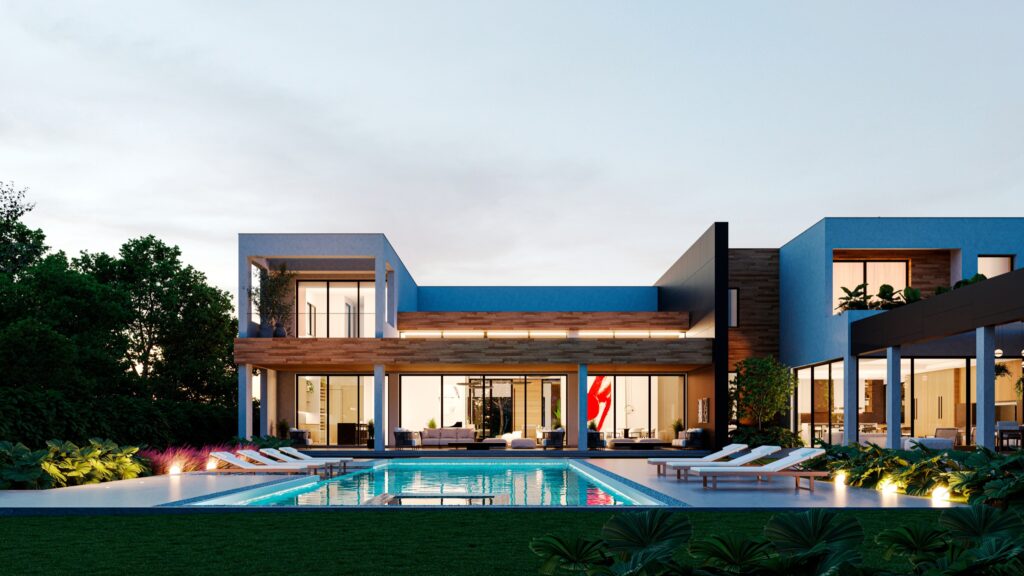
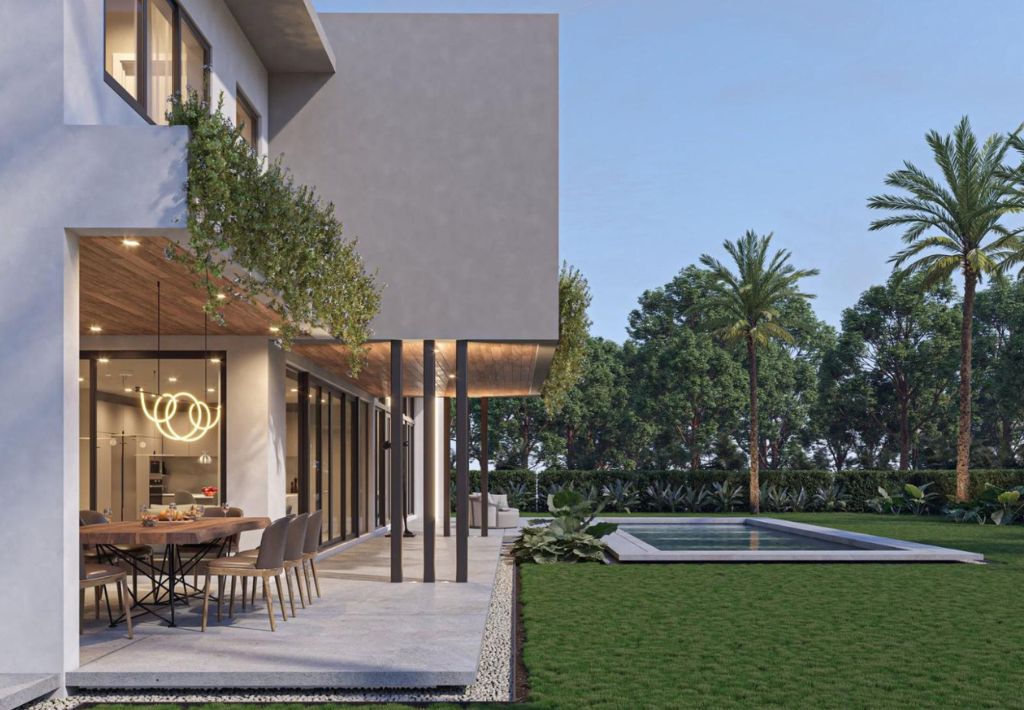
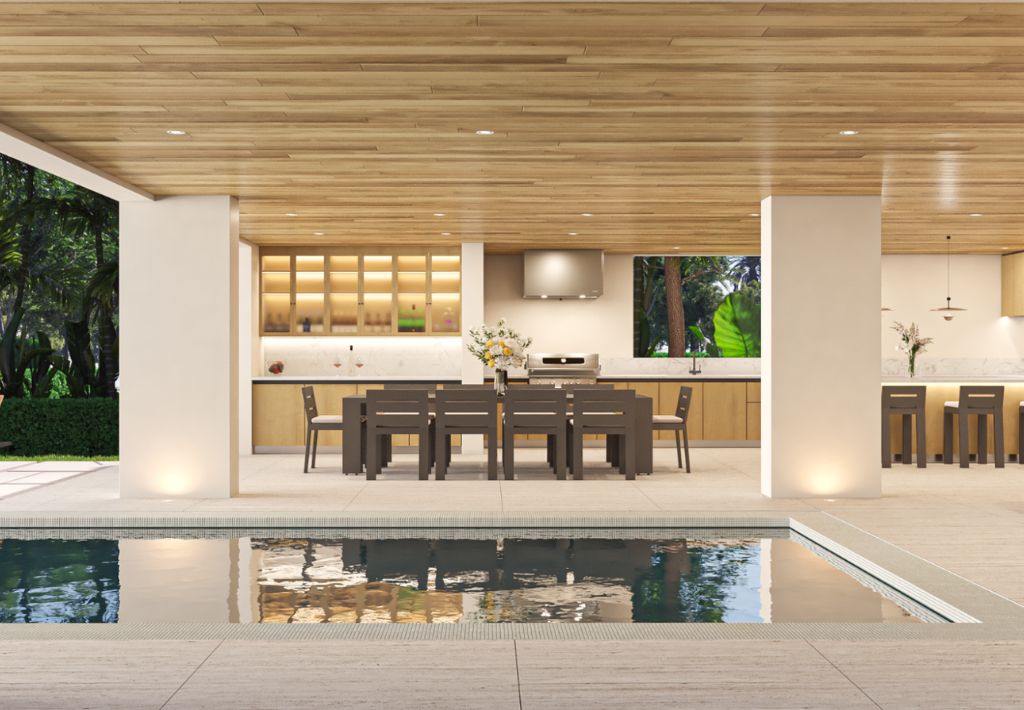
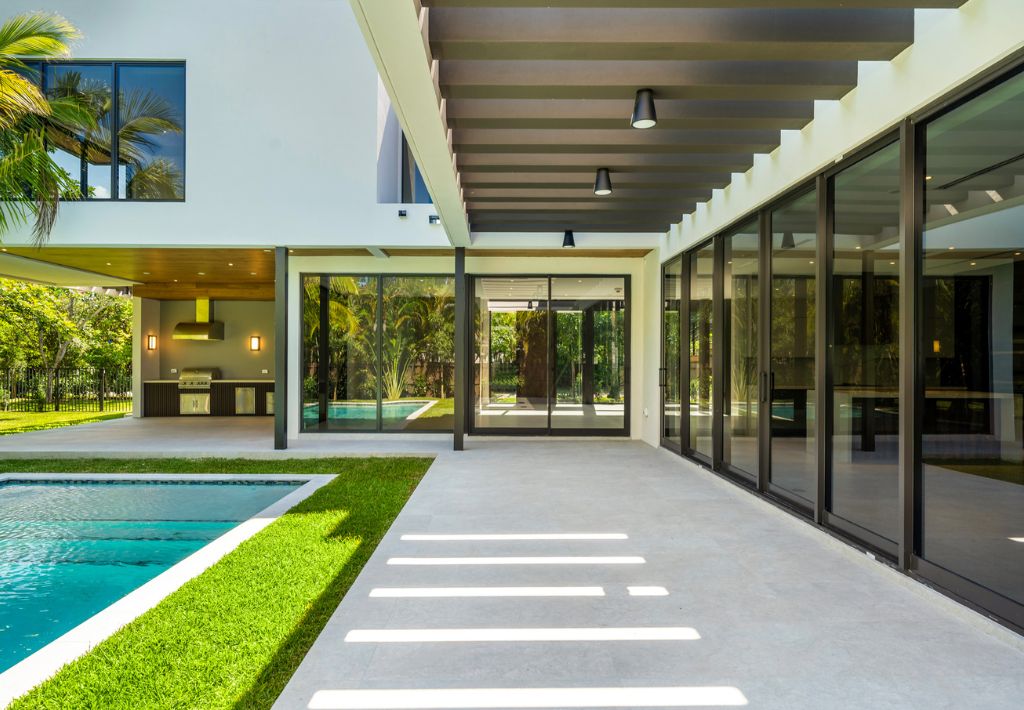
Seamless indoor-outdoor boundaries. Not just "a pool," but spaces where you genuinely can't tell where the house ends and the landscape begins. Where opening a wall doesn't just add square footage, it transforms how you use the entire floor and connect to the environment around you.
Spaces designed for rejuvenation, not just sleep. A master suite doesn't just mean a “big” closet with a walk-in shower. This is a sacred space where all of the noise of the world should literally turn off (unless of course, a theatrical entertainment center is specified). The best bedrooms have views, natural light, materials, and flow that make you feel like you've stepped into a spa. Every time you walk in, and out, if a balcony is possible.
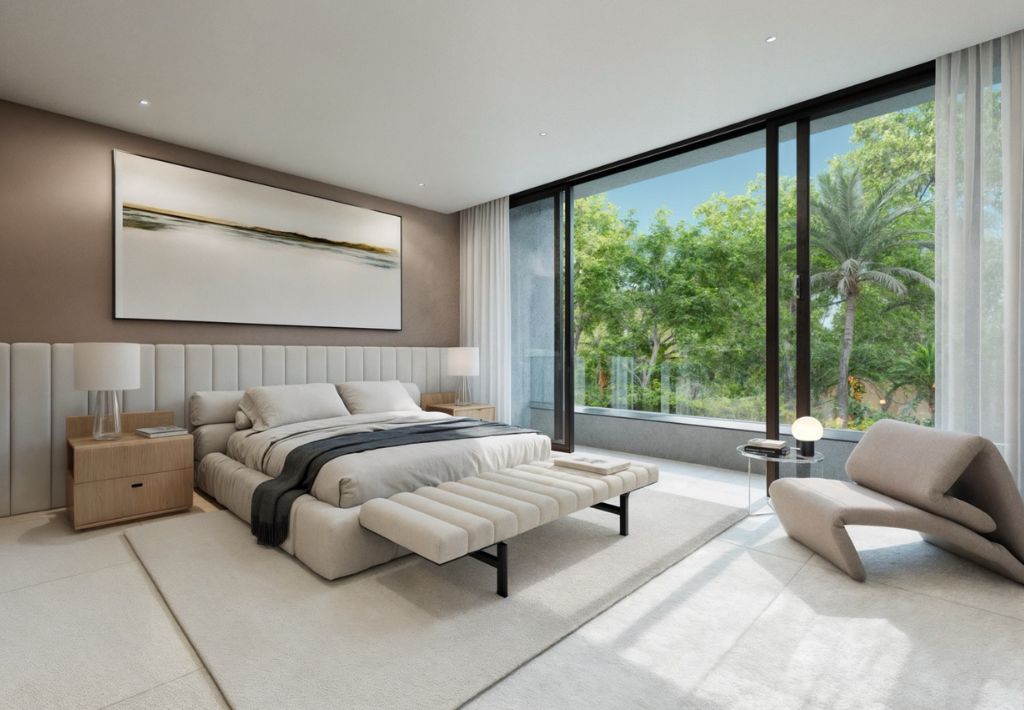
Homes that anticipate needs. We go to resorts to be cared for. Your home can adopt this level of service when your lifestyle is translated into design. Flexible spaces aren’t really about ornamentation. They’re about driving your experience to the next level. So we position covered terraces where Miami's sun path demands them. We design storage and utility exactly where you need it (and even where you may need it in the future). We create clever pathways and breezeways that make sense for how families actually move through a day.
Privacy within accessibility. Real luxury isn't about living on a private island. It's feeling like you're on one while staying connected to Miami's energy. Strategic landscaping, smart massing, framed views… so that architecture becomes a filter, not an isolationist fortress.
Design that performs in Miami's climate. In the best resorts, everything just feels easy. There’s never a prolonged exposure to the elements that wear on you. You’re in them. Part of them. And made better by them. Architectural narratives can keep you cool, manage afternoon storms, and be comfortable in opposing temperature extremes (think breeze and shade to fire-side cocktails at night). I could go on.
But here’s the takeaway: Resort style living in Miami isn’t about adding on features you’ll need an owner’s manual to use. It’s about intuitive architectural intelligence creating daily ease that feels effortless.
This was tough. How do we call out three of our favorite projects when all of them are? The following examples have either met with critical acclaim, demonstrated considerable developer ROI, or overcame an arresting challenge that would have otherwise hampered resort style living, but became a chief asset.
Let’s jump back to the idea of how the most exclusive resorts offer a sense of security.
This is the home that answers South Florida's quiet anxiety about safety.
People want to live here for the lifestyle, the weather, and the culture. But hurricane season exists. Flood zones exist. Social media reels are everywhere, showing homes getting washed away.
Now, in Miami, there are building codes that most architects treat like a burden - where for us, they’re a blessing when it comes to design solutions.
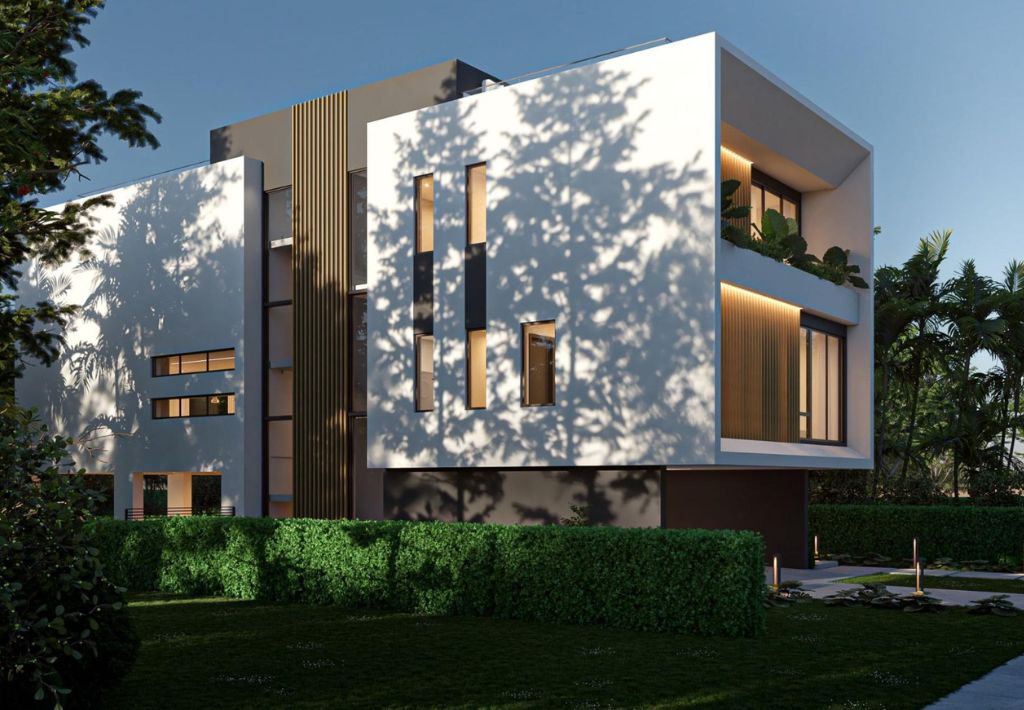
3551 Crystal answers the call of secure, resort style living that most single-family homes can't touch.
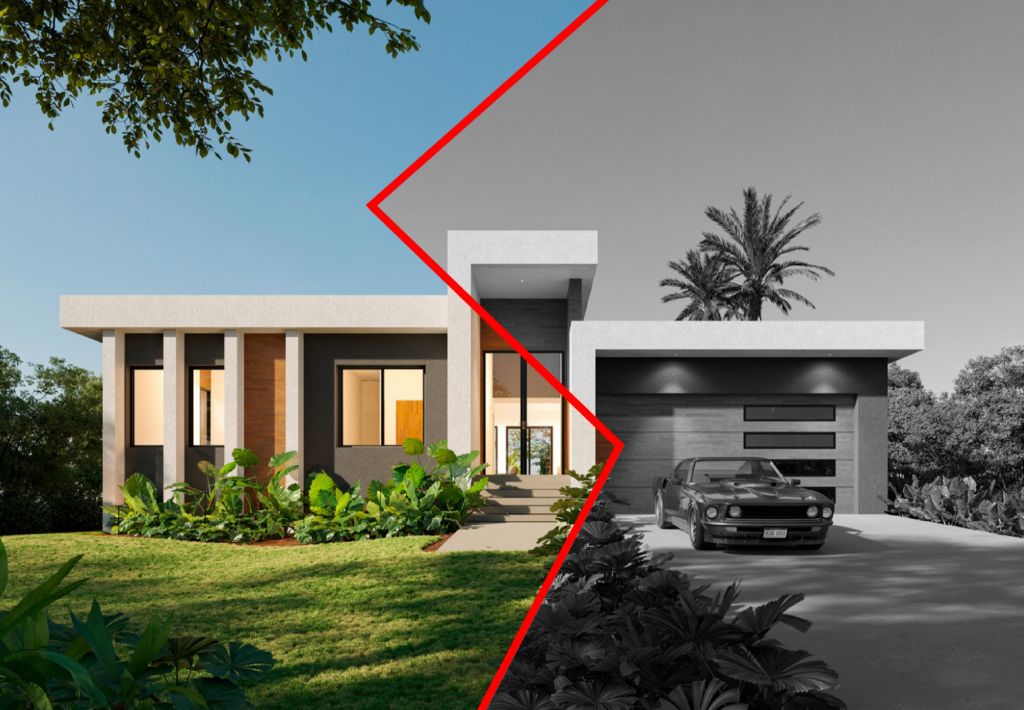
The site sits in a flood zone. Code required raising the first habitable floor five feet above grade. Instead of grudgingly lifting a house on stilts and calling it done, we designed vertical living that rivals boutique hotel programming.
Ground level: A permeable carport that's generous enough to showcase a vehicle collection while staying open to the landscape. From the approach, it reads as part of the site, not separate from it.
Habitable levels: From the main living floor to the rooftop retreat, the family is safe and secure, in an amenity-rich environment, that is connected to the outdoors to make for easy escapes inside when the rain starts coming down. Also, this flow of integrated outdoor living creates a continuity for amazing host and entertaining experiences with views that every guest will love.
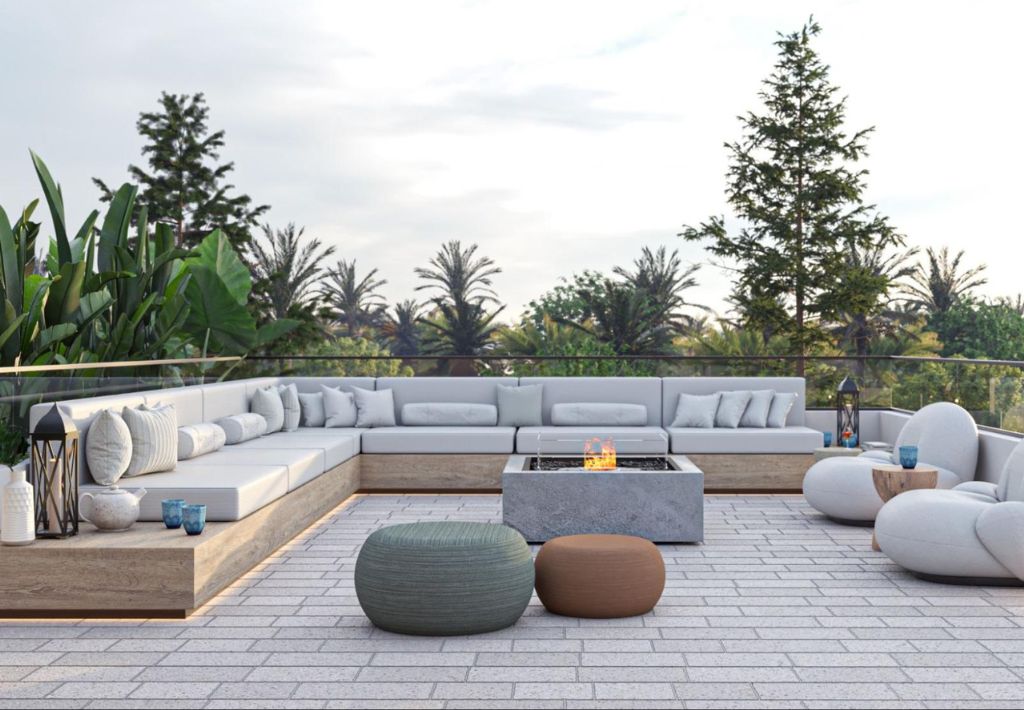
Rooftop: Panoramic views, hot tub, bar, fireplace, and complete privacy. This is your escape within the escape. This is the space you retreat to or entertain others. It is 100% an occupant sanctuary.
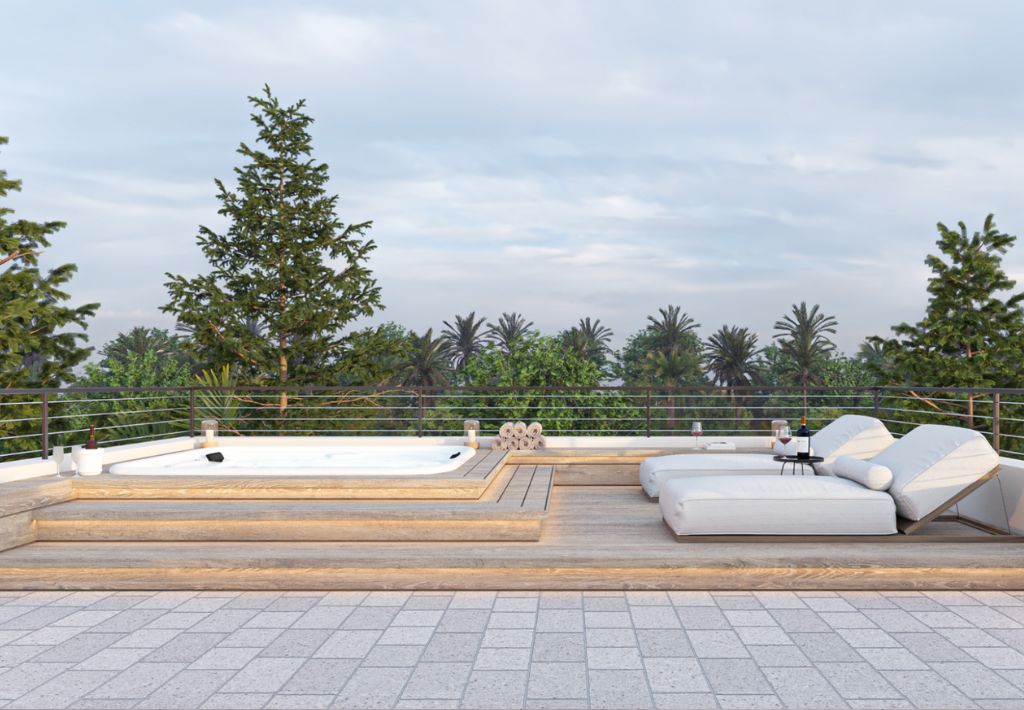
Three distinct experiential zones. Each one is designed for a different mood, a different moment. That's what resort style living actually means. Crystal offers spatial variety, giving you options depending on what your day demands.
The sophistication here isn't in the price point. It's in the architectural decisions. Flood regulations didn't limit this home. They inspired it. The result is a house that feels like layered luxury, where even moving between levels creates moments that are vacation-album-worthy.
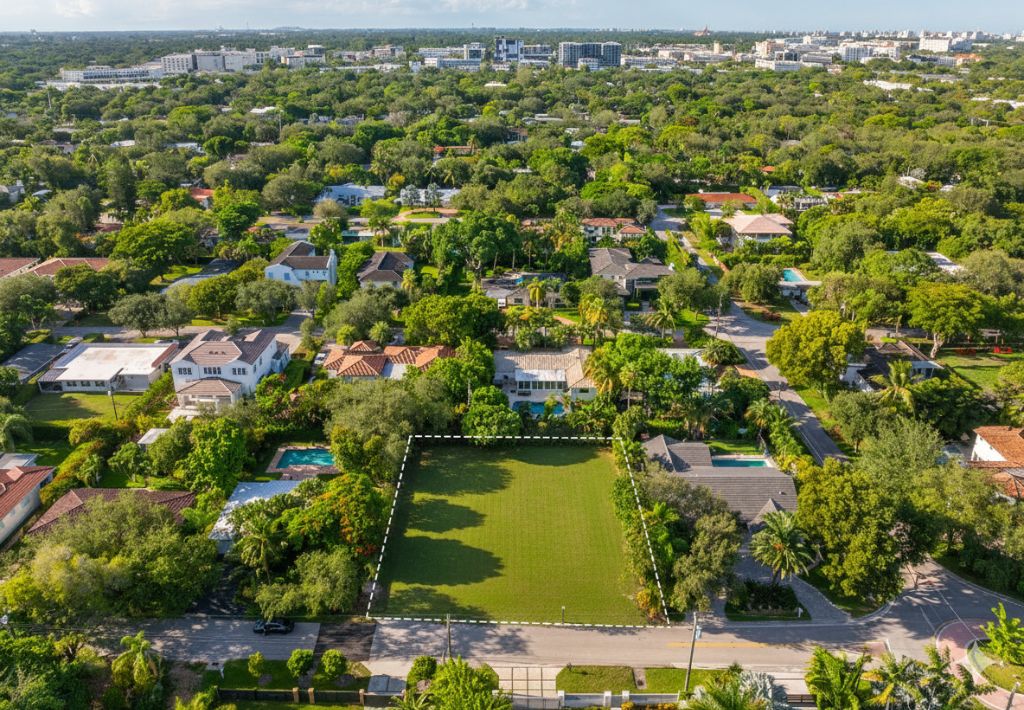
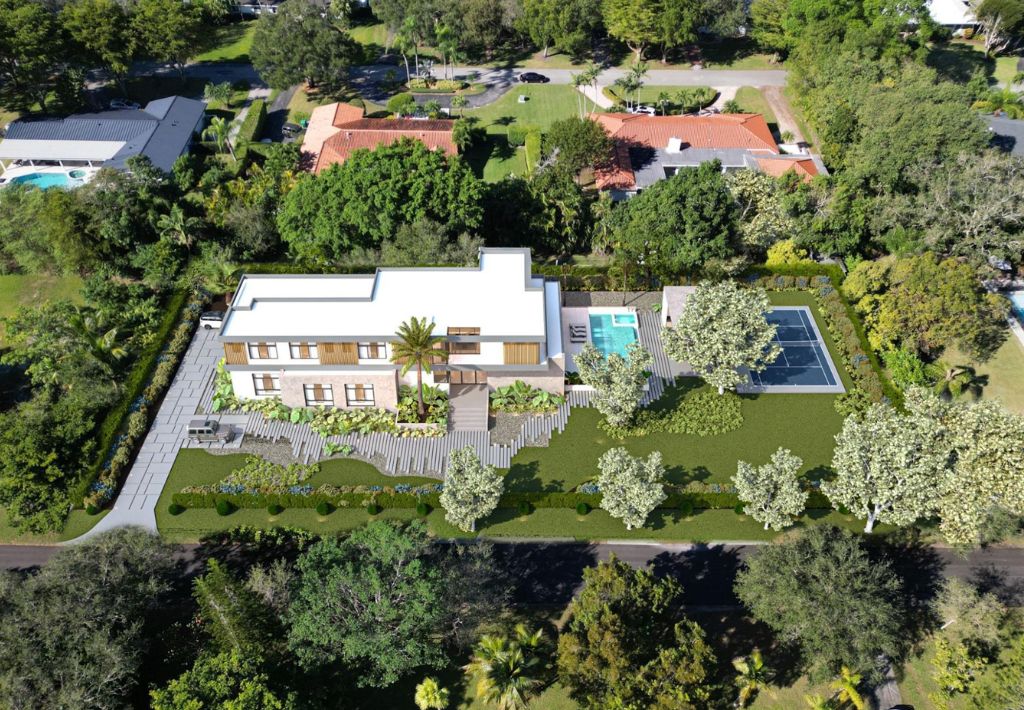
Most developers would've looked at this Pinecrest lot and immediately called in the clearing crew. Dense tree coverage, challenging buildable area, mature canopy blocking sight lines and equipment access. Standard thinking says: Clear it, build big, landscape later.
We saw resort style living hiding in plain sight.
The constraint wasn't the trees. The constraint was thinking like every other luxury home builder in Miami who prioritizes square footage over experience.
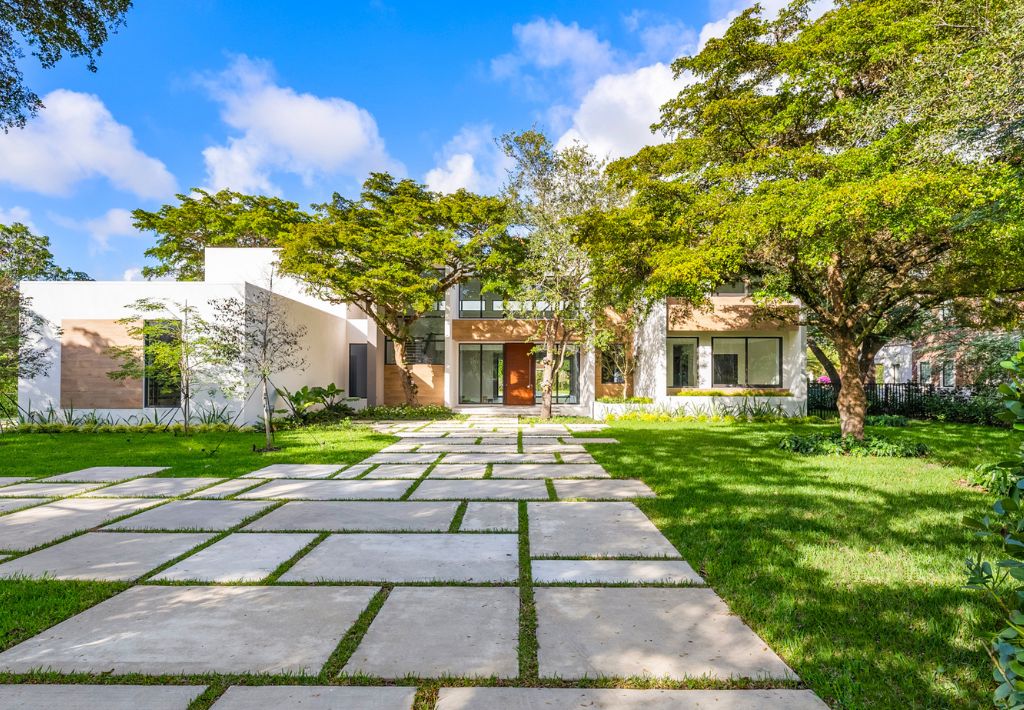
So we kept the forest. Designed around it. And let the home move through it.
The solution: Two opposing wings connected by a central open floor plan. Parents' wing, kids' wing, communal space in between. Just like the most exclusive resorts who know that parents need a moment for themselves (even if it’s five minutes). Privacy without isolation. Connection without intrusion.
But here's what makes it feel like a resort: Every room frames existing vegetation. You're not looking at new landscaping trying to establish itself. You're surrounded by a mature canopy that was already there, creating instant exclusivity and tranquility. The kind of setting that takes other properties 30 years to achieve.
Walk through this home and you're in a Costa Rican tree-house resort. Except you're 20 minutes from downtown Miami, your kids' school, whatever your daily life requires.
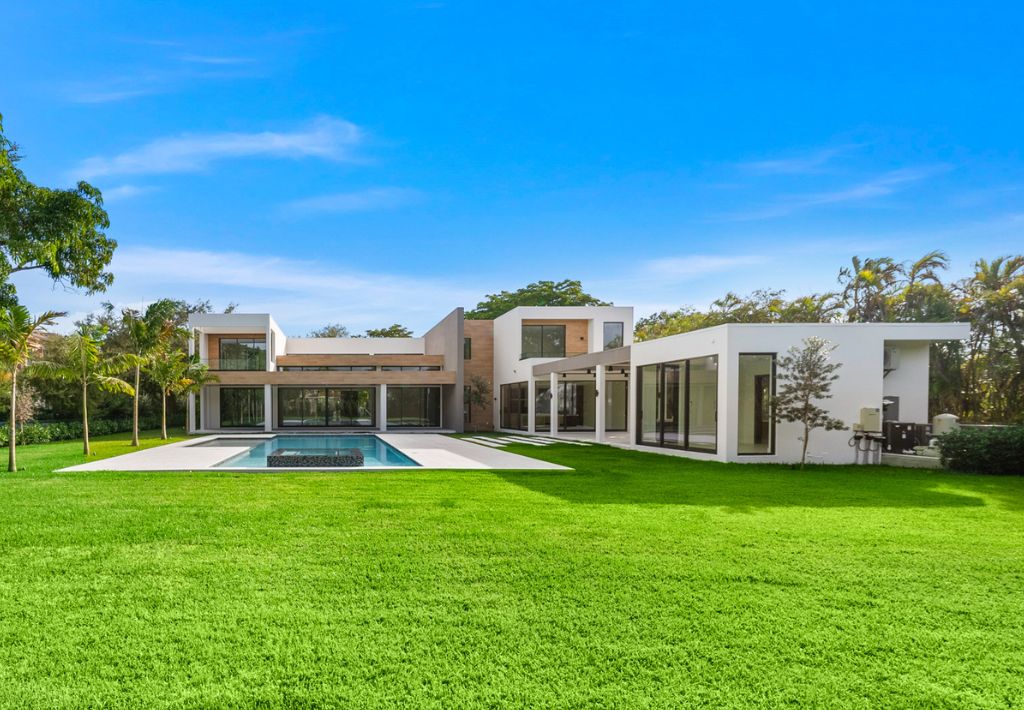
The Luxury Lifestyle Awards recognized what we already knew: Luxury buyers don't just want impressive homes. They want homes that improve their lives in ways they didn't know architecture could. That green immersion? That's not an amenity. That's daily restoration. That's resort style living that doesn't quit after checkout.
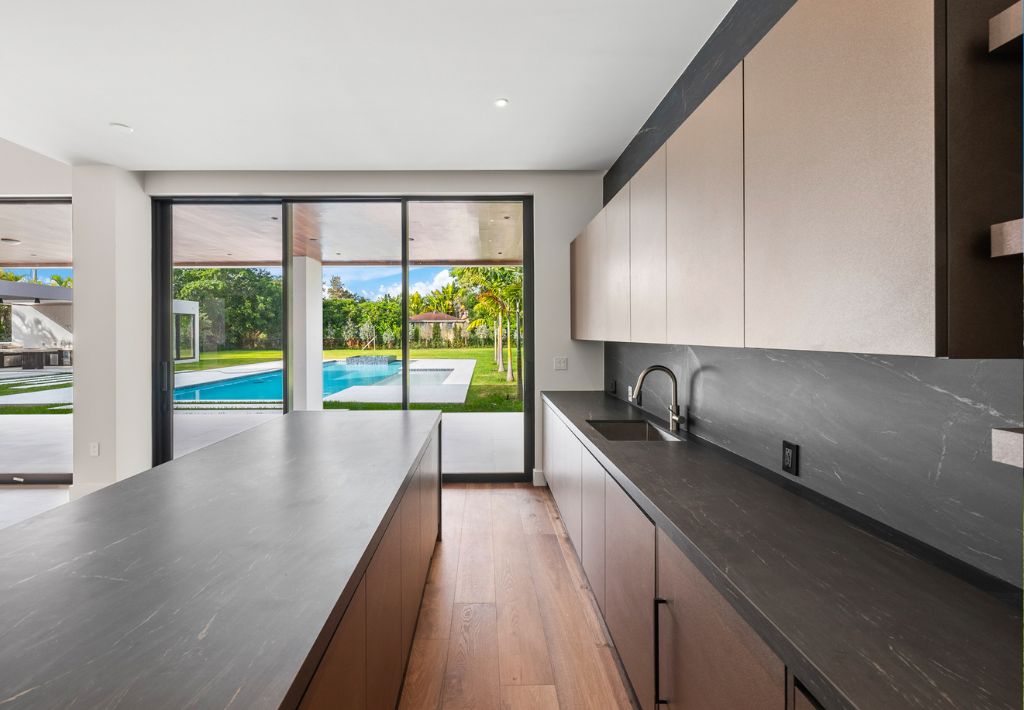
This home proved something crucial about creating resort style living in Miami: Working with a site's inherent character beats forcing a generic vision every time. The market agreed (and so do the people living there).
When some people think of a world-class resort, they want the retreat, but they also want to be “close to it all” so they can experience the local flavors, music, culture, and more.
What better than a lot right off US Route 1, to take the owners all the way to NYC, if they were up for a light drive?
Now that said, this massively valuable accessibility feature is at the top of our list in the world of new urbanist design - but we’re also sensitive to the fact that urban energy can wear you out.
So what, then, becomes the solution to deliver urban accessibility and sanctuary at the same time?
…a literal change in perspective.
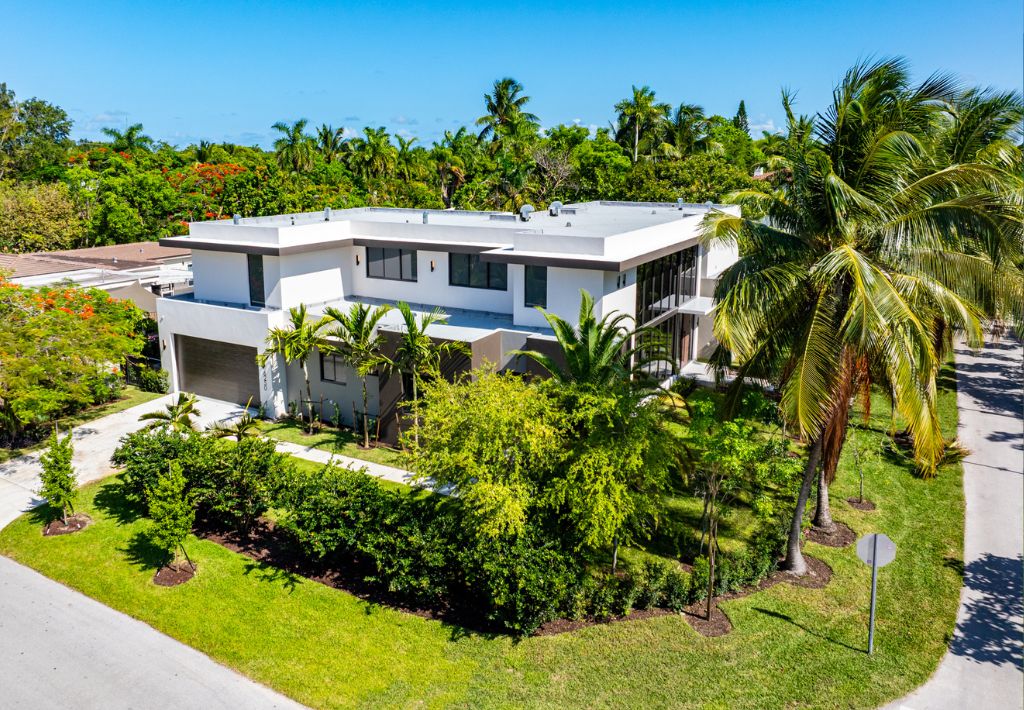
The solution started with the lot itself. Our construction team repositioned the front of the house to face the gorgeous vegetation off the side street while putting utilities and service areas on the main street - which otherwise faced a large, outdated, multi-family structure.This critical design decision defines resort style living for this property because every room has a view - and a view that every guest would want to have.
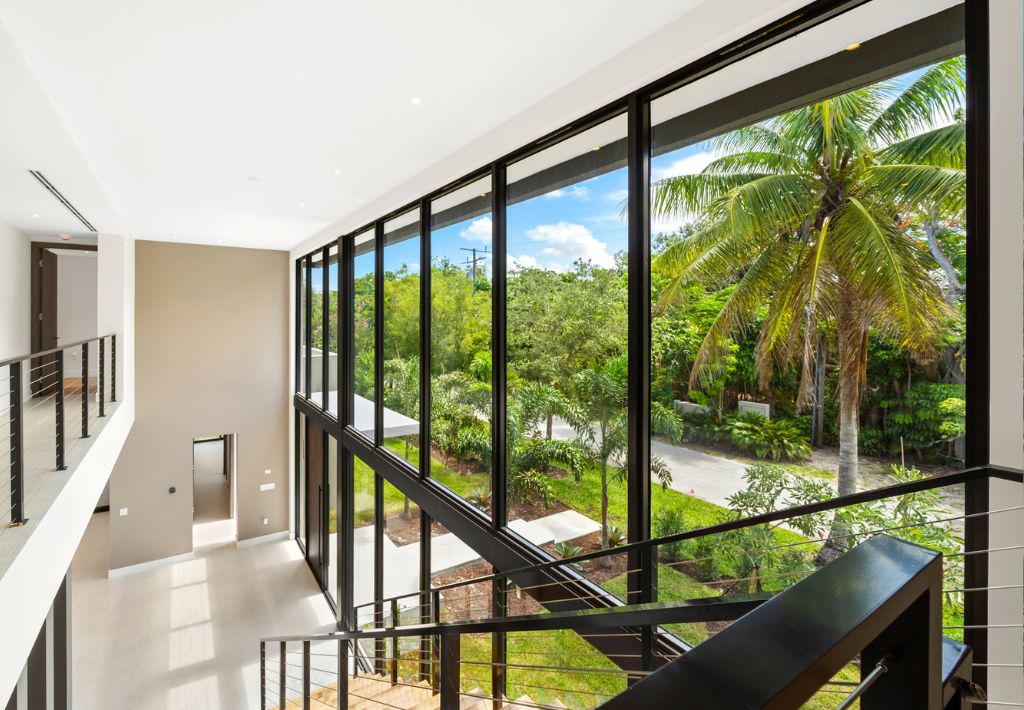
Imagine: You enter from US-1 connectivity and as you come through the canopy-covered front door, you're looking straight through to the pool, to the preserved landscape, to a backyard that feels completely removed from the urban density surrounding it.
That's the experience parallel to walking into a Bali resort courtyard. The street noise exists. The city exists. But architecture filters it so completely that your daily reality shifts the moment you cross the threshold.
That’s one of the big things we love about 78th Street. But that’s not all this gem has to offer.
Inside, we maximized glass and natural light throughout the common areas: living room, dining room, kitchen, and family room. All connected, all framing the backyard. Double-height entry space with wood-clad stairs. Master bedroom on the second level positioned to catch palm tree canopy views and morning light.
A main tenet of architecture is to consider the site and the surroundings in the design. We didn’t use the urban accessibility to design another urban-feeling space.
Instead, we considered the urban energy, and like an Aikido master, deflected the energy through redistributed movement that protects while preserving positioning on the mat.
78th Street is an achievement because it carefully balances accessibility and solitude.
Hopefully, you've seen the pattern across all three homes.
Resort style living in Miami isn't about importing amenities from a luxury condo. It's not about building the biggest or flashiest.
It's about starting with a narrative that can make dance partners out of lifestyle, site constraints, and budgets.
Anyone can add a pool. Install a gym. Install expensive FF&E. That's resort cosplay. It’s smoke and mirrors, hoping you fall for something superficial. In time, you’d know something was missing.
The truth is, luxury runs deep and real resort style living comes from spaces that feel inevitable. Every morning. Every evening. Every season.
My background as a developer matters here. I've built over 200,000 square feet in South Florida. I know what sells. What holds value. What investors look for. But I also know what people actually want to live in, and those things aren't always the same.
This is the intersection is where resort style living lives. Homes that are both unique and valuable. Both beautiful and climate-smart. Both private and connected. Both impressive and livable.
That balance doesn't happen by accident. It’s intentional. It’s knowledge-powered.
If you’re an investor, developer or Miami resident looking to bring exceptional resort style living to your next property, send us an email, we’d love to share what’s possible.